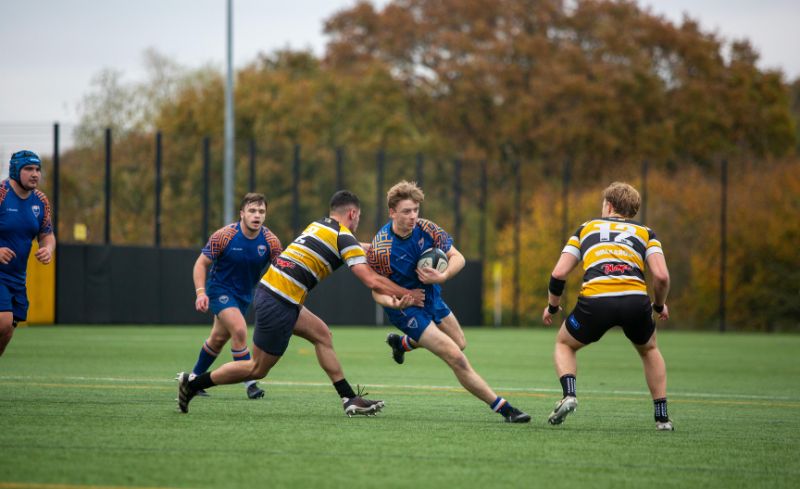
Squad training makes you a team player. Private coaching makes you a better one. If you are playing club rugby or varsity rugby in Cape Town and you have a specific part of your game you want to develop, whether that is your kicking, your tackling technique, your work at the breakdown, your handling under pressure, or the mental side of performing consistently, a session built entirely around you and your position is a different experience to anything that happens in a squad environment. At IBIC Rugby, I work with players at club and varsity level across the Southern Suburbs of Cape Town, and the same motivation drives almost all of them. They know what they want to improve. They just need the right environment to work on it properly. What Squad Training Does Well and Where It Falls Short Squad training is designed to prepare a group of players to function effectively as a team. The drills are team drills. The focus is on patterns, set pieces, defensive systems, and the collective execution of a game plan. This is essential and irreplaceable. You cannot prepare a team for a match by coaching individuals in isolation. But the consequence of this collective focus is that individual skill development happens largely on the margins. A coach managing a squad of 30 players during a two-hour practice session cannot give meaningful, sustained attention to one player’s specific technical issue. They might flag it, they might correct it once, but the repetition and real-time feedback that actually makes a technical change stick simply is not possible in that environment. This is not a criticism of squad coaches. It is simply a structural reality of how team sport coaching works. The players who close the gap most quickly are the ones who address their individual development needs outside of squad training, in an environment where every minute is directed at them specifically. Private coaching is that environment, and at club and varsity level, where the technical and tactical demands of the game are significantly higher than at junior level, the impact of individual coaching is proportionally greater. What Club and Varsity Players Actually Work on in Private Sessions The range of development areas that club and varsity players bring to individual coaching sessions is broad, but certain themes come up consistently. Kicking is one of the most common. Whether it is goal-kicking accuracy under pressure, tactical kicking from hand, or box-kicking technique, kicking is a skill that responds very quickly to individual technical coaching and that is almost impossible to develop adequately in a squad training context where kicking practice is shared among multiple players. Players who invest in private kicking coaching typically see measurable improvement in accuracy and confidence within a relatively small number of sessions. Breakdown technique is another area where individual coaching has a significant impact. The breakdown is one of the most technically complex and legally precise aspects of rugby, and the difference between a player who consistently wins the collision and one who gives away penalties at the breakdown is almost always a technical one. In a private session, we can work on body position, entry angle, timing, and the specific legal requirements of breakdown play with a precision and repetition that a squad session does not allow. The same applies to tackling technique, where correct body position, shoulder placement, and leg drive all need to be deeply embedded before they are reliable under match pressure. The Mental Side of Senior Rugby Performance At club and varsity level, the mental side of performance becomes as important as the technical side. Players who are technically capable but who struggle with composure under pressure, who make poor decisions at critical moments, or who lose confidence after errors are leaving performance on the field that their technical ability suggests they should be able to access. Individual coaching at senior level addresses this directly, creating training scenarios that replicate match pressure in a controlled environment and building the decision-making habits and mental routines that translate to consistent performance. I have worked with club and varsity players in Cape Town who arrive at sessions technically sound but mentally inconsistent. The work we do together is as much about building a reliable pre-performance routine and developing composure under pressure as it is about any specific technical skill. This kind of individual, targeted mental and technical work is not something that is possible in a squad setting. It requires one-on-one attention, an honest assessment of where the gaps are, and a training environment that is safe enough for a player to try things, make mistakes, and develop the reliability that match performance demands. How to Make the Most of Private Coaching Alongside Squad Training squad training rather than a replacement for it. Identify one or two specific areas of your game that you want to develop. Bring that focus to your private sessions and work on those areas with the kind of repetition and feedback that squad training cannot provide. Then take what you have worked on into your next squad session and your next match. The improvement compounds over time because every environment you play in reinforces what you are developing in the other. The players I work with at club and varsity level in Cape Town consistently find that the improvement they make in private sessions shows up quickly in their squad training and match performance. Coaches notice the change. Teammates notice the change. And the player themselves develops a different relationship with their own game, because they are no longer hoping the weakness will improve on its own. They are working on it deliberately, with proper coaching, in a focused environment. Getting Started with Private Coaching at Club or Varsity Level At IBIC Rugby, sessions for club and varsity players are built around exactly what you want to work on. There is no generic programme and no one-size-fits-all approach. We start with a brief conversation about your current level, your squad commitments,
High School Rugby in Cape Town: What Players Need to Focus on Between U14 and U18
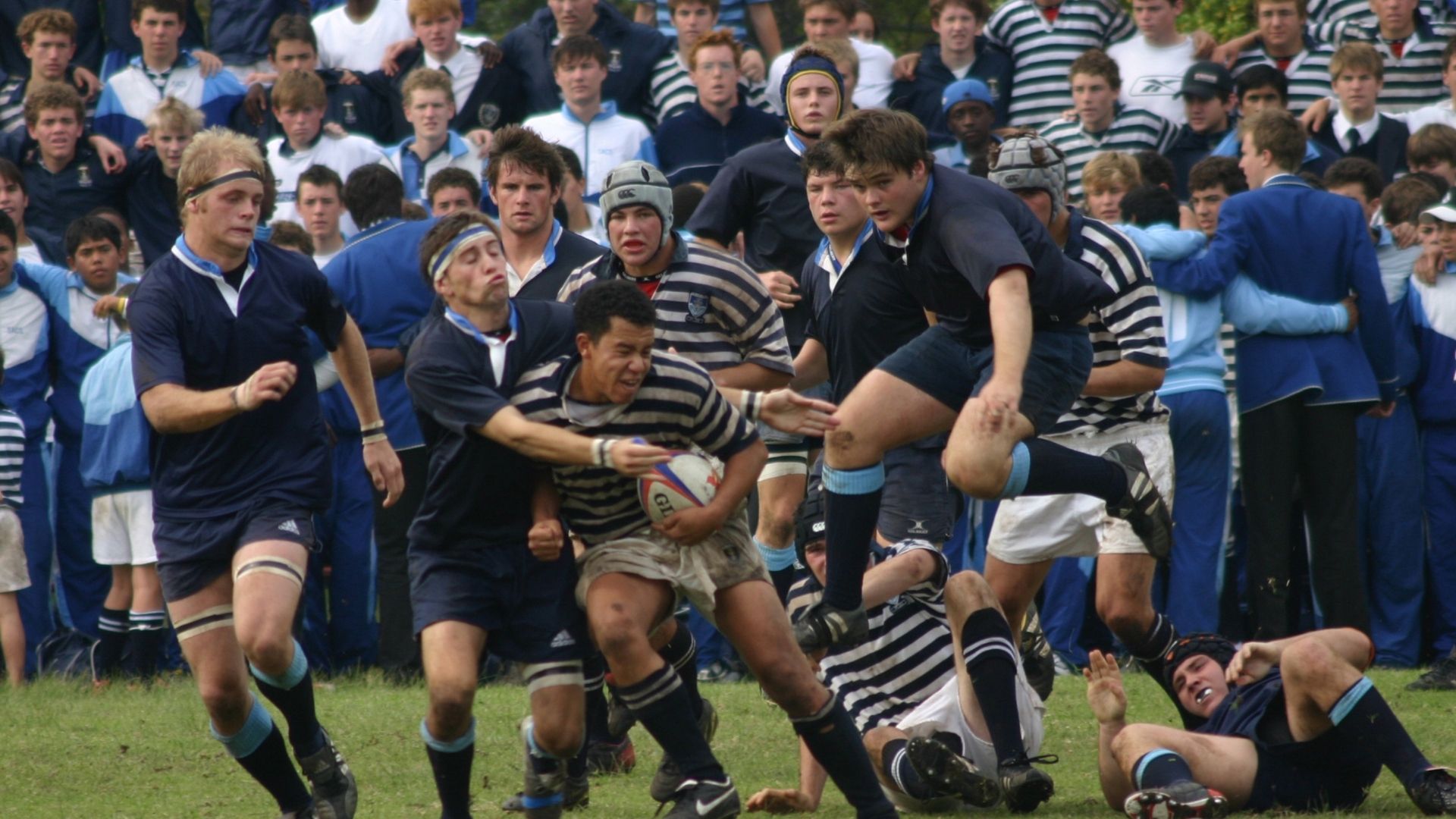
The jump from primary school rugby to high school rugby is one of the biggest transitions a young player will make in their sporting life. The game gets faster, the physicality increases significantly, and the gap between players who continue to develop and players who plateau becomes visible quickly. By the time first team selection comes around at U16 or U18 level, the players who have put in individual development work outside of squad training are almost always the ones who stand out. At IBIC Rugby, I coach high school players across the Southern Suburbs of Cape Town on exactly this transition, and the same themes come up consistently at each level. This post covers what players should be prioritising at U14, U16, and U18 and why individual coaching makes a meaningful difference at each stage. What Changes When You Move from Primary School to High School Rugby At primary school level, the game is largely about developing basic skills in a fun and age-appropriate environment. Body size differences between players are managed carefully, contact is introduced progressively, and the emphasis is on enjoyment and foundational technique. By the time a player moves into high school rugby, the game is unrecognisable in its physical demands. Tackles are harder, rucks are more contested, set pieces carry real tactical weight, and the expectation from coaches shifts from participation to performance. Players who arrive at high school with solid foundational skills pick up the new demands quickly. Players who arrive with gaps in their technique find those gaps exposed very early, and without individual attention to address them, those gaps tend to widen rather than close over time. The challenge for high school coaches is the same one that exists at all levels of squad coaching. With 30 or more players in a squad, the available time for individual skill development is minimal. Practices focus on team patterns, set piece preparation, fitness, and match preparation. There is simply not enough time to work individually on one player’s defensive alignment, another player’s kicking technique, and a third player’s breakdown work, all in the same session. Individual coaching outside of squad training fills exactly this gap, and at high school level the impact of that individual work is compounded by the fact that players are physically developing rapidly and are highly receptive to technical improvement when it is delivered with focused attention. U14 — Building the Physical and Technical Foundation At U14 level, the most important thing a player can work on is their physical technique in contact situations. This is the age at which the physicality of the game increases most sharply, and players who have not developed correct body position, low body height in contact, and safe tackle and ball-carrying technique are both at greater risk of injury and at a competitive disadvantage against players who have. BokSmart principles are central to how I approach all contact work at this level, regardless of how physically developed a player might be. Safe technique is always the foundation before intensity is added. Beyond contact, U14 is also the level at which players begin to develop a position identity. A player who has played in the backs at primary school level starts to become a specific type of back, with the skills and responsibilities that come with that position. The same is true for forwards. Individual coaching at U14 allows players to begin developing position-specific skills in a focused environment rather than only learning them in the context of team practice, where the pace of the session rarely allows for the kind of repetition that makes a technical skill truly reliable under pressure. U16 — Position Specificity and Competitive Development By U16, first team selection is on the horizon and the competition within squads intensifies. This is the level at which the difference between a talented player and a well-coached player becomes most visible. Talented players who have not developed the technical and tactical depth of their game find themselves overtaken by players who have worked consistently on their weaknesses and developed the reliability that coaches look for at this level. At U16, the focus in individual coaching shifts toward position-specific technical depth. A flyhalf works on their kicking game, their decision-making at the line, and their communication with the inside backs. A loosie forward works on their breakdown technique, their ball-carrying lines, and their defensive reads. A prop works on their scrummaging technique and their body position in the loose. These are skills that squad coaches have neither the time nor the one-on-one opportunity to develop with each player individually. In a private session, we can work on exactly one or two things, with full repetition and real-time feedback, until the skill begins to feel natural and reliable under pressure. U18 — Performance Preparation and Mental Readiness At U18 level, players who are serious about their rugby are beginning to think about what comes after school. Whether that is varsity rugby, club rugby, or simply continuing to develop as a player while balancing other commitments, U18 is the level at which individual coaching most closely resembles what professional development environments look like. Sessions at this level address not just technical skills but the mental side of performance, how a player prepares for a match, how they manage pressure situations, how they respond to errors during a game, and how they maintain consistency across a season. I have coached players at U18 level who arrive technically competent but lacking the composure and decision-making speed that high-level rugby at this age requires. Individual coaching allows us to create training scenarios that replicate game pressure in a controlled environment, building the mental habits that translate to performance when it matters. It also allows for an honest, direct conversation about a player’s game that simply does not happen in the context of a squad session, where a coach is managing the whole group rather than focusing on one individual’s development. How Individual Coaching Fits Alongside Squad Training Individual
One-on-One vs Group Rugby Coaching: Which Is Right for Your Child?
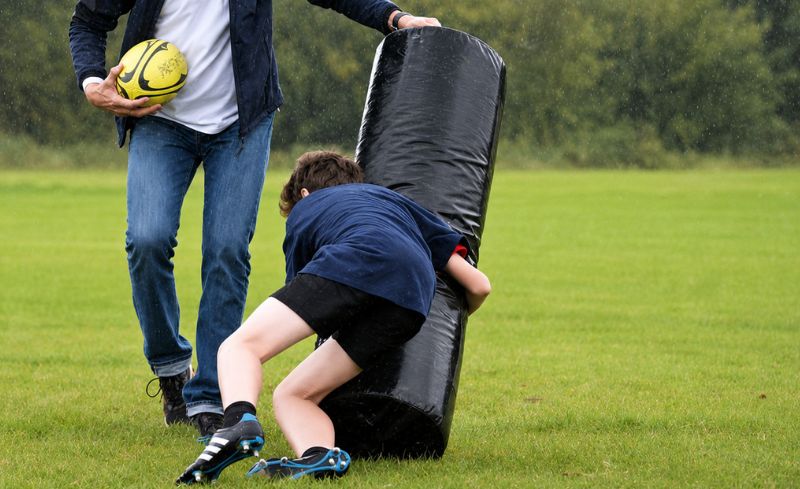
This is one of the most common questions parents ask before booking their child’s first session at IBIC Rugby. One-on-one coaching sounds valuable but is it worth it compared to a group session? And how do you know which format is actually right for your child at this particular stage of their development? Both formats offer genuine value, and the right choice depends on your child specifically rather than on a general rule. This guide breaks down what each format delivers, who it works best for, and how to make a decision that is right for your young player right now. What One-on-One Coaching Delivers In a one-on-one session, everything is directed at your child. The warm-up is designed around their physical level. The skill focus is chosen specifically because of where they are in their development right now. The pace adjusts in real time based on how they are responding to each exercise and each piece of feedback. This level of attention is not possible in a group environment regardless of how skilled and attentive the coach is. Every drill produces data about your child’s technique and decision-making, and every piece of that data is immediately acted on. There are no other players to attend to, no divided attention, and no moments where your child is waiting while the coach works with someone else. The result is that a one-on-one session of 45 minutes contains more active, directly relevant coaching time than a group session of twice that duration. Progress in one-on-one coaching tends to be faster and more consistent for this reason, and parents typically notice meaningful changes in their child’s technique and confidence within the first four to six sessions. One-on-one sessions work particularly well when your child is building confidence and needs a lower-pressure environment to try new things and make mistakes without an audience. They are also the right choice when your young player wants to work on a specific area of their game in depth, when they are preparing for school trials or a step up in the level of competition they are playing at, or when they are new to rugby and you want them to build a proper technical foundation before they join a larger group environment. The individual focus of one-on-one coaching means that nothing gets glossed over and no technical issue goes unaddressed, and that thoroughness makes a tangible difference to how well-prepared your child feels when they step into a team training session or a match. What Group Coaching Delivers Group sessions offer something that one-on-one coaching genuinely cannot replicate, which is the energy and dynamic of training alongside other young players. There is natural competition. There is the social element of sharing a training experience. There are game-like scenarios that require more than one player and that teach young players how to apply their skills in a realistic context. A young player who has developed solid foundational skills in one-on-one sessions and is ready to test them in a more dynamic environment often thrives in a well-run group session, because the added complexity of other players moving around them challenges their decision-making and spatial awareness in ways that a purely individual session cannot. Group sessions work best when your child is already reasonably confident with the basic skills of the game and wants to apply them in a more realistic context. They are also a good environment for young players who are naturally social and perform better when there is energy and movement around them. The group format is also more accessible from a cost perspective, which makes it a practical starting point if you are trying the coaching format for the first time and want to see how your child responds before committing to more frequent individual sessions. The Two-on-One and Three-on-One Option At IBIC Rugby, two-on-one and three-on-one sessions are available and are consistently popular with families. These formats sit between the individual focus of one-on-one coaching and the broader dynamic of a group session, and they work well as a middle ground that suits a wide range of young players. Your child receives significantly more individual attention than any group session can provide, while also having a sibling or a friend alongside them, which naturally lifts the energy and introduces a game-like element that makes certain skills easier to develop. Two-on-one sessions are particularly popular with siblings who are close in age or with two friends from the same school or club team who want to train together and push each other. Three-on-one works well when a small group of players who already know each other want a shared coaching experience without losing the individual focus that makes private coaching so effective. How to Choose the Right Format The clearest way to think about this decision is to consider where your child is in their rugby journey right now and what they most need at this specific moment. Choose one-on-one coaching when your child is building confidence, working on a specific technical issue, new to the game, or preparing for something important like a school trial. Choose two or three-on-one coaching when you want the benefits of personal coaching combined with the energy of a training partner, or when siblings or friends want to share the coaching experience and the cost while still receiving proper individual attention. Choose group sessions when your child is confident, has foundational skills in place, thrives in a social training environment, and is ready to apply their skills alongside other young players. If you are unsure which format suits your child best right now, Brad is always happy to have a brief conversation before you book. A few minutes talking through where your young player is in their development and what they are hoping to get out of the coaching will make the first session significantly more useful and better matched to what your child actually needs. View all IBIC Rugby session formats and pricing, and book your child’s
What to Expect at Your Child’s First Private Rugby Coaching Session
Booking your child’s first private rugby coaching session is a positive step, and it is also one that tends to come with a few practical questions. What should your child wear? What do they need to bring? What will actually happen during the session? What if they are nervous about a new environment? These are all completely reasonable things to want to know before you arrive at False Bay Rugby Club in Constantia, and this guide answers all of them clearly so that you and your young player both feel prepared and comfortable from the moment you arrive. What to Bring Your child does not need specialist equipment or specific branded kit to start. Rugby boots in any standard moulded style are fine, and if your child already trains with a club or school team they will have suitable footwear. A mouth guard is recommended, and if your child already has one from their school or club kit they should bring it along. A water bottle is important because sessions run between 30 and 60 minutes and staying hydrated matters. Comfortable training clothes, a T-shirt and shorts, or their club jersey are all perfectly appropriate. No specific IBIC Rugby kit is required at any point. The most important thing your child can bring to their first session is a willingness to try things and a readiness to engage with the coaching, because everything else can be worked around. What Happens During the Session Every first session at IBIC Rugby begins the same way, with a conversation. Brad will spend a few minutes with your child asking about their experience with rugby so far, what they enjoy about the game, what they find challenging, and what they would most like to work on. This is low-key and conversational rather than an assessment or test, and it gives Brad the information he needs to shape the session in a way that is useful and appropriate from the very first drill. The session itself follows a clear structure every time. The warm-up involves movement, agility, and getting the body ready in a way that is active and engaging rather than routine. The skill focus forms the main body of the session, built around one or two specific skills that are matched to your child’s age, current ability, and what came out of the opening conversation. The game application phase takes the skill your child has been working on and puts it into a more realistic context so that it begins to feel natural and connected to actual rugby rather than an isolated drill. The cool-down and feedback phase brings the session to a close, brings the heart rate down, and gives Brad the opportunity to share clearly what went well and what the focus will be next time. What If Your Child Is Nervous Nervousness before a first session is far more common than most parents expect, and it is completely understandable. A new environment, a new coach, and the experience of working on skills in front of someone who is watching closely and giving direct feedback is genuinely unfamiliar territory. Brad’s approach is patient and progressive, and no young player is pushed into anything before they are comfortable and ready. Sessions are designed to give your child a win early, something they do well and feel good about, because that early positive experience builds the momentum that carries the rest of the session. Most young players who arrive at their first session feeling cautious leave feeling noticeably different, because the environment at IBIC Rugby is supportive and the coaching is completely focused on helping them succeed rather than exposing what they do not know yet. A Note for Parents on the Sideline Parents are welcome to watch sessions, and many do, especially at the start. There are a few things worth knowing before you take up a spot on the sideline. Your child may perform differently with you watching than they do when you are not there. This is normal and typically settles after a session or two as your child becomes more familiar with the coaching environment and more confident in their own ability within it. Trust the structure of the session even if it looks like Brad is going back to basics on something your child already knows how to do. This is almost always deliberate. Foundations need to be solid before complexity is added, and revisiting a fundamental skill with better technique and more conscious understanding is always a productive use of session time. If you have questions about what you observed during the session, Brad is always available to chat briefly at the end and give you a clear picture of what was worked on and why. After the First Session At the end of your child’s first session, Brad will give you a brief summary of what was covered, what stood out positively, and a recommendation about next steps. This might be a suggestion about session frequency, a recommendation about which format would suit your child best going forward, or a specific focus area that the next session will build on. You will leave with a clear picture of where your child is right now and a practical sense of where the coaching is heading. Many parents book their next session at the end of the first one because the structure and direction of the coaching is clear from that very first interaction. Whether you decide to book regularly or want to try a few sessions and reassess, there is no pressure and no contract. The goal is simply to give your young player the best possible start to their development at False Bay Rugby Club in Constantia. Book your child’s first session at IBIC Rugby, False Bay Rugby Club, Constantia. We look forward to meeting them.
Junior Rugby Coaching in Constantia and the Southern Suburbs — What Parents Need to Know
The Southern Suburbs of Cape Town have a strong relationship with rugby. Through the school system, through club networks, and through families who have shared a love of the game across generations, rugby is a meaningful part of life in this part of the city. From school fields in Newlands and Bishopscourt to club grounds across Constantia, Tokai, and Wynberg, young players here grow up in an environment that takes the game seriously. As private junior rugby coaching becomes more widely available across the Southern Suburbs, parents have more options than before and more decisions to make. Understanding what to look for and what questions to ask makes a genuine difference to the quality of coaching your child receives and the rate at which they develop. What Good Junior Rugby Coaching Looks Like Not all junior rugby coaching delivers the same outcomes, and the differences at this level matter more than most parents realise. The habits, techniques, and attitudes that young players develop between the ages of 6 and 13 stay with them through their entire playing career. The first quality to evaluate in any junior coaching arrangement is the ratio of coach to player, because this single factor determines more than almost anything else how much individual attention each young player actually receives. In a group of 20 or more players with one coach, the amount of personalised feedback any individual player gets is limited. A hesitant player can move through an entire season of squad training without their specific technical issues being properly addressed. Small group and one-on-one coaching removes this limitation entirely, because every minute of every session is directed at the specific young players in front of the coach, with real-time adjustments based on what is actually happening. The second quality worth evaluating is whether the coaching is genuinely age-appropriate. The developmental gap between a 6-year-old and a 13-year-old is substantial, covering physical development, cognitive capacity, coordination, and emotional readiness. A coach who applies the same methodology across this entire age range either does not understand junior development or does not have the capacity to differentiate their approach. Quality junior coaches think carefully about what each age group is capable of and motivated by, and they design sessions that meet players where they are. The third quality, and this is non-negotiable, is safety qualifications. BokSmart certification is the national standard for rugby coaches working with young players in South Africa, and it should be a baseline requirement for any private coaching arrangement. Why False Bay Rugby Club in Constantia Works The environment where your child trains matters more than is often acknowledged. False Bay Rugby Club in Constantia is a proper rugby facility with quality fields and an established club culture. Training in that kind of environment communicates something to young players about the seriousness and value of what they are doing. The club sits in a central position within the Southern Suburbs, making it accessible without a significant journey from Constantia, Tokai, Bishopscourt, Newlands, Wynberg, Bergvliet, and the broader surrounding area. The atmosphere of a proper rugby club, the sense of tradition and shared identity, and the way the environment signals that the game is taken seriously all contribute to how young players engage with their training and how motivated they remain over time. School Rugby and Private Coaching Together School and club rugby gives your child team experience, match minutes, and the social dimension of the game. Private coaching gives them individual attention, specific skill development, and the confidence to perform what they have worked on within the team environment. The two work together rather than against each other. Many young players across the Southern Suburbs who train with IBIC Rugby use their private sessions to work on something specific, a skill they want to sharpen or an area of their game they want to feel more certain about, and then take that directly into their next club session or school match. The progress compounds over time because every environment your child is in reinforces what they are learning in the other. Parents across Constantia, Tokai, Newlands, Bishopscourt, and Wynberg consistently find that adding two or three private sessions per month alongside regular club and school rugby creates a meaningful and visible difference in how their young player performs and how they feel about their own game. Getting Started With IBIC Rugby IBIC Rugby offers one-on-one, pairs, small group, and group sessions at False Bay Rugby Club in Constantia, open to young players aged 6 to 13. Every session is run by Brad, a BokSmart-certified coach who has played rugby at professional level in South Africa and the United Kingdom. Sessions are available on weekday afternoons and weekends, booking is straightforward, and there are no long-term contracts. You choose the format and the frequency that works for your family, and the coaching is structured entirely around your child from the first session. If you are unsure which format is right for your child, Brad is always happy to have a brief conversation before you book so that the first session is set up to be as productive as possible. Book your child’s first session at IBIC Rugby, False Bay Rugby Club, Constantia.
What is BokSmart and Why It Matters for Your Child’s Rugby Safety
If your child plays rugby in South Africa, you have probably heard the word BokSmart mentioned by a school coach, a club official, or another parent on the sideline. Many parents recognise the term without fully understanding what it means in practice. That gap in understanding is worth closing, because knowing what BokSmart is, what it covers, and why it represents the baseline standard for coaching young players gives you the tools to ask the right questions and make properly informed decisions about who is working with your child and how they are doing it. At IBIC Rugby, BokSmart certification is held by Brad and it actively shapes the design and delivery of every session at False Bay Rugby Club in Constantia. What BokSmart Is BokSmart is the national rugby safety programme of South Africa, developed and administered by the South African Rugby Union in partnership with the Chris Burger Petro Jackson Players’ Fund, a fund established in memory of two players who sustained serious spinal injuries on the field. The programme was created with a specific purpose: to reduce serious injuries in South African rugby by ensuring that coaches, referees, and team officials at every level are properly trained in safe playing techniques, emergency response procedures, and age-appropriate session design. BokSmart is not a basic first aid certification or a general sports safety course. It is a comprehensive, rugby-specific programme that covers safe scrummaging technique, progressive tackle development, how to recognise and manage a potential spinal injury on a rugby field, and how to structure contact sessions in a way that is physically appropriate for each specific age group. Holding BokSmart certification means that a coach has completed this training and is applying its principles in their work with players, and it is the standard that every coach working with young rugby players in South Africa should meet without exception. Why It Matters More at Junior Level The physical demands, risks, and developmental needs of rugby change significantly as players grow. What is appropriate and safe for a 16-year-old player is often completely inappropriate for a 9-year-old, and this is not simply a question of size and strength. It is a question of bone density, muscular development, coordination, and the psychological readiness to engage in contact situations. BokSmart-certified coaches understand these differences and structure their sessions accordingly. This includes how and when to introduce contact, how to progress tackling safely through a series of developmental stages, and how to recognise when a young player is not physically or emotionally ready to move to the next step. Parents across Constantia, the Southern Suburbs, and greater Cape Town who are looking at private rugby coaching options for their child should treat BokSmart certification as a non-negotiable baseline rather than a nice-to-have. It is the clearest signal that a coach puts the physical wellbeing of young players first. How BokSmart Shapes Every IBIC Rugby Session At IBIC Rugby, BokSmart principles are built into the design and delivery of every session that Brad runs at False Bay Rugby Club in Constantia. Contact is introduced progressively, starting with body position work and low-intensity contact exercises before any full tackling is introduced. The pace of that progression is determined by each individual young player rather than by a fixed timeline. Warm-ups are structured to prepare the body specifically for the demands of the session. Skill progressions are matched carefully to each player’s age and current developmental stage. Throughout every session, Brad talks openly with young players about what safe technique looks and feels like, because a player who understands the reasoning behind a safety principle will apply it under pressure in a way that a player who has simply been told what to do will not. This distinction between understanding and compliance matters enormously in contact situations where instinct takes over and technique must be deeply embedded to hold. Questions Every Parent Should Ask Before your child starts private rugby coaching with anyone in Cape Town or the Southern Suburbs, there are three questions worth asking directly. The first is whether the coach holds BokSmart certification. This should be a clear and unqualified yes, and if the answer is vague or the question is deflected, that is worth noting. The second question is how the coach approaches introducing contact to young players who are new to it. The answer you are looking for describes a gradual, progressive process that prioritises correct body position and genuine comfort before intensity is increased. The third question is how the coach tailors sessions for players of different ages and abilities, because a coach who applies the same approach to a 6-year-old beginner and a 13-year-old club player does not have a genuinely individualised coaching method. At IBIC Rugby, Brad is always willing to talk through his qualifications, his approach, and his session design with parents before their child’s first session. Transparency about how coaching is delivered is part of how trust is built with the families who bring their young players to False Bay RFC in Constantia. Safe Rugby Is About More Than Preventing Injury Safety in rugby is not only about preventing serious physical harm, as critical as that goal is. It is also about creating an environment where young players feel genuinely secure, where they know the coach will not push them into a situation they are not ready for, and where learning contact rugby feels empowering rather than frightening. When young players feel safe, they commit to tackles with correct technique rather than flinching at the last moment, which is actually one of the most common causes of injury in junior rugby. A coaching environment that is genuinely safe, in both the physical and psychological sense, is one where young players develop faster, enjoy the game more, and are far more likely to still be playing and thriving in the sport several years from now. That is the environment IBIC Rugby works to create at every session at False Bay Rugby Club in Constantia, and
How Private Coaching Builds Confidence in Young Rugby Players
There is a moment many rugby parents recognise without being able to fully describe it. Your child runs onto the field and something shifts. Their shoulders drop slightly. They hold back when the ball comes near. You have seen what they can do in training, in the garden, in the relaxed moments when nobody is watching, but that ability is not showing up on match day in the way you know it could. This is not a talent problem and it will not resolve itself simply by playing more matches. It is a confidence problem, and confidence is something that can be deliberately built through the right coaching environment. At IBIC Rugby in Constantia, building confidence is not a secondary benefit of skill development. It is a primary goal of every session. Why Squad Training Has Limits Club and school rugby offers young players things that are genuinely valuable and irreplaceable. The team environment, the experience of competitive matches, the friendships that form in a squad, and the lessons that come from working together under pressure all contribute enormously to a young person’s development. Private coaching is not a replacement for any of that. When it comes to building individual confidence in a young player who is hesitant or uncertain, squad training has real limitations that even the best coach cannot fully overcome within that format. A coach responsible for 20 or 25 young players in a session must distribute their attention across the whole group. The player who is slightly hesitant, who takes a moment longer to commit, who needs a little more encouragement to call for the ball, can move through an entire session without receiving the focused attention that would actually shift something. Private coaching changes this completely because the session is structured from start to finish around one young player or a small group of two or three, with every drill, every skill focus, and every moment of feedback directed specifically at them. What Personalised Attention Does When your child works one-on-one with Brad at IBIC Rugby, or in a small group of two or three players, the entire session adjusts in real time based on how they are responding, what they are finding manageable, what they are finding difficult, and what they need in that specific moment to move forward. There is no queue. There is no time spent watching while someone else takes a turn. Every minute is active, engaged, and directly relevant to your child’s development. Because the coaching is matched to where your child actually is rather than where the average player of their age is assumed to be, progress happens noticeably faster than in a group setting. Beyond the physical skill development, the one-on-one environment also creates space for a different kind of conversation. Your child can express uncertainty without feeling embarrassed. Brad can identify hesitation and address it directly. The relationship between coach and player is built on genuine understanding, and that understanding is what allows the coaching to go beyond technique and actually address the confidence that underpins everything else. The Power of Small Wins Confidence in young players is not built through sudden breakthroughs. It is built through a series of small, achievable wins that stack up over time. The first clean catch made under a little pressure. The first tackle completed with correct body position. The first time your child calls for the ball in a drill and genuinely wants it to come. Each of these moments seems minor in isolation, but they accumulate. Each small success builds a slightly more solid foundation of self-belief, and over weeks and months of consistent private coaching, that foundation becomes something your child can stand on reliably even when things are not going perfectly. At IBIC Rugby, every session is designed to give your young player at least one clear win. Something they did well, something they can name and remember, something they carry into their next match. This is not accidental. It is a deliberate part of how confidence is built in young athletes. Growth That Goes Beyond Rugby Parents who bring their young players to IBIC Rugby consistently report that the growth they observe does not stay contained to rugby. A young player who develops genuine confidence in their physical ability, who learns to handle pressure constructively, and who discovers that effort and process lead to real improvement carries those lessons into every other area of life. Into school, where challenges feel more manageable. Into social situations, where new experiences feel less daunting. Into how they handle setbacks, which is one of the most valuable things sport, when coached well, can teach a young person. Rugby is the vehicle at IBIC Rugby, but the real outcome is a young person who believes in their own capacity to grow. If your child plays for a club or school team in Constantia, Tokai, Newlands, Bishopscourt, Wynberg, or anywhere across the Southern Suburbs of Cape Town, private coaching sessions at False Bay Rugby Club give them the individual space they need to truly develop within the team environment they already love. What to Expect in the First Few Sessions Parents often ask how long it takes before they notice a meaningful difference in their child’s confidence, and the honest answer is that it varies from player to player. Some young players visibly relax within the first session once they experience a coaching environment that is fully focused on them, free of comparison, and free of pressure to keep up with a group. Others take two or three sessions to fully settle and begin taking risks they would previously have avoided. What is consistent across almost every young player who trains with IBIC Rugby is that by the time they have completed four or five sessions, something has shifted in how they carry themselves. They talk about rugby differently. They arrive at sessions with energy rather than reluctance. They start applying what they have worked on in their club sessions and
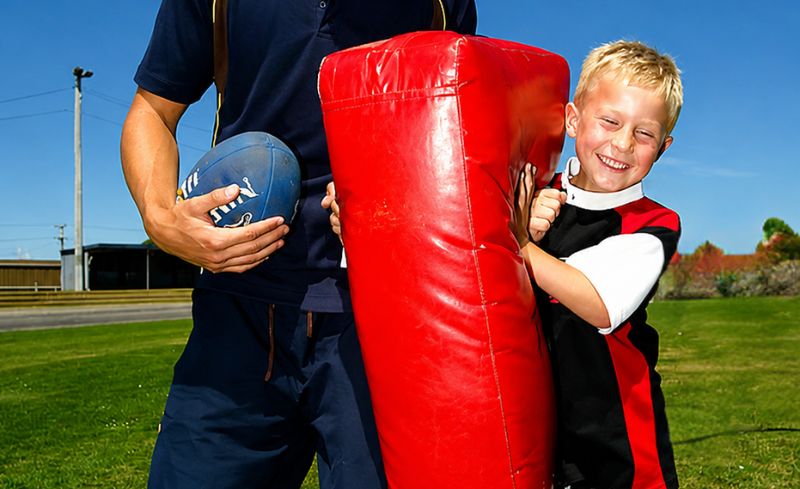
5 Rugby Skills Every Young Player Should Learn Before Age 10
Between the ages of 7 and 10, young rugby players are in a critical development window. The brain during this period is highly receptive to new movement patterns, coordination challenges, and decision-making under pressure. What a young player learns during these years does not just improve their rugby. It shapes how they move, how they think under pressure, and how they approach team sport going forward. At IBIC Rugby, based at False Bay Rugby Club in Constantia, sessions are built entirely around making the most of this window. Young players across the Southern Suburbs of Cape Town receive individual attention and structured development that builds a foundation not just for the next season, but for years of rugby ahead. 1. Catching With Both Hands Before your child can pass, run a line, or contribute to a team move, they need to be comfortable receiving the ball. Not just when it comes straight to their chest, but when it arrives high, wide, behind them, or under pressure from a defender. A young player who trusts their hands actively wants the ball. They call for it under pressure. They position themselves to be an option rather than staying in a space where they hope it will not come to them. That shift from passive to active involvement is one of the most important developments in a junior rugby player’s growth, and it almost always starts with catching confidence. At IBIC Rugby, dedicated time is spent on catching from the very beginning of a player’s development. Progressive drills start simple and build complexity gradually, so every young player develops a solid base before game-like pressure is introduced. 2. The Basic Pass The rugby pass looks simple from the sideline, but the technique involves rotating the body correctly, positioning the hands properly on the ball, timing the release, following through in the right direction, and passing to where a teammate is going rather than where they are standing. These are skills that take genuine repetition to become natural. Many young players learn to pass in a technical sense but never fully develop the timing and decision-making that makes passing work in a real game. At IBIC Rugby, the focus goes beyond physical mechanics to the rugby thinking that underlies a good pass. Reading a teammate’s run, understanding when to hold and when to release, and building the communication habits that make moves work are all part of how passing is taught. Individual coaching is uniquely placed to address these skills because every session is shaped around exactly where your child is in their development at that moment. 3. Running Lines One of the most common things visible in junior rugby at every level from U8 to U12 is young players running in straight lines, chasing the ball carrier, or clustering around contact without any real sense of shape or purpose. This is completely natural at the start. It takes time and coaching to develop the spatial awareness and game understanding that underpins effective running lines. Understanding how to run at an angle to create space for a teammate, how to hold a defender with a decoy run, and how to time a support line so you arrive at exactly the right moment are concepts that young players can absolutely grasp when taught patiently and progressively with real-time feedback. At IBIC Rugby sessions in Constantia, running lines are introduced through games and movement exercises before they become structured drills, because young players learn spatial concepts most effectively when they are actively playing rather than passively listening to instructions. 4. Body Position in Contact This is the area of junior rugby development where BokSmart principles matter most. Safe body position in contact means low hips, a strong and engaged core, shoulders above hips, and the head positioned safely to the side. This is not just a technical requirement. It is the physical foundation that protects your child every time they go into a contact situation, whether that is a tackle, a ruck, or a driving maul. At IBIC Rugby, contact is introduced carefully and progressively. No young player moves to the next level of intensity before they have demonstrated genuine comfort and technical correctness at their current level. Every body position cue is explained with clear reasoning, because a player who understands why they are doing something will maintain that technique under pressure far more reliably than a player who has simply been told what to do. Safety in rugby is built into every session at IBIC Rugby, and BokSmart certification underpins that approach at every level. 5. Spatial Awareness The players who make the biggest impact in rugby at every level are not always the fastest or the strongest. They are the players who see the field most clearly. Who know where a gap is going to open before it does. Who understand where teammates are, where defenders are, and where the space is, all at the same time. Spatial awareness is often described as something you either have or you do not, but this is not accurate. It is a skill that develops through deliberate practice, specific coaching, and real-time feedback that is only possible in a small group or one-on-one coaching environment. At IBIC Rugby in Constantia, spatial awareness is developed through movement games, decision-making exercises, and structured scenarios that give young players time to think on their feet. Over time, this builds a mental model of the game that serves them at every level they go on to play. Why These Five Skills Matter Right Now These five skills matter so much at the U7 to U10 age group because they are the building blocks on which every other aspect of rugby development depends. A young player who catches confidently, passes with timing and technique, understands where to run, knows how to be safe in contact, and reads the space around them has everything needed to grow into a genuine asset to any team they play in. The earlier these