Booking your child’s first private rugby coaching session is a positive step, and it is also one that tends to come with a few practical questions. What should your child wear? What do they need to bring? What will actually happen during the session? What if they are nervous about a new environment? These are all completely reasonable things to want to know before you arrive at False Bay Rugby Club in Constantia, and this guide answers all of them clearly so that you and your young player both feel prepared and comfortable from the moment you arrive.
What to Bring
Your child does not need specialist equipment or specific branded kit to start.
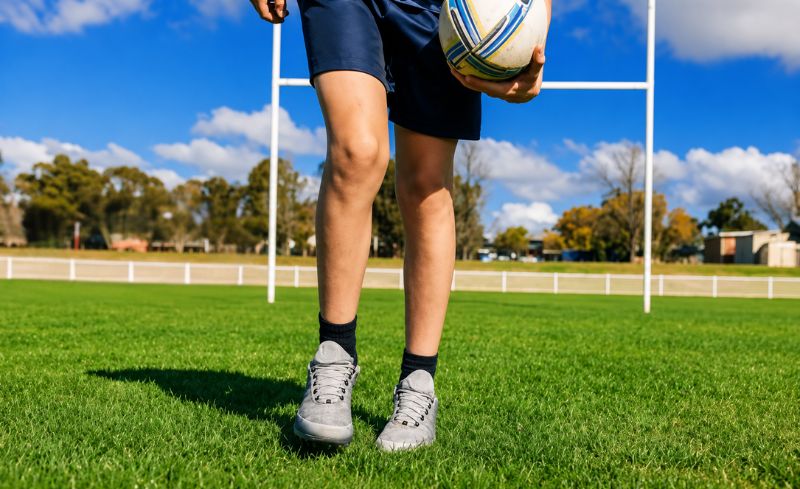
- Rugby boots in any standard moulded style are fine, and if your child already trains with a club or school team they will have suitable footwear.
- A mouth guard is recommended, and if your child already has one from their school or club kit they should bring it along.
- A water bottle is important because sessions run between 30 and 60 minutes and staying hydrated matters.
- Comfortable training clothes, a T-shirt and shorts, or their club jersey are all perfectly appropriate. No specific IBIC Rugby kit is required at any point.
The most important thing your child can bring to their first session is a willingness to try things and a readiness to engage with the coaching, because everything else can be worked around.
What Happens During the Session
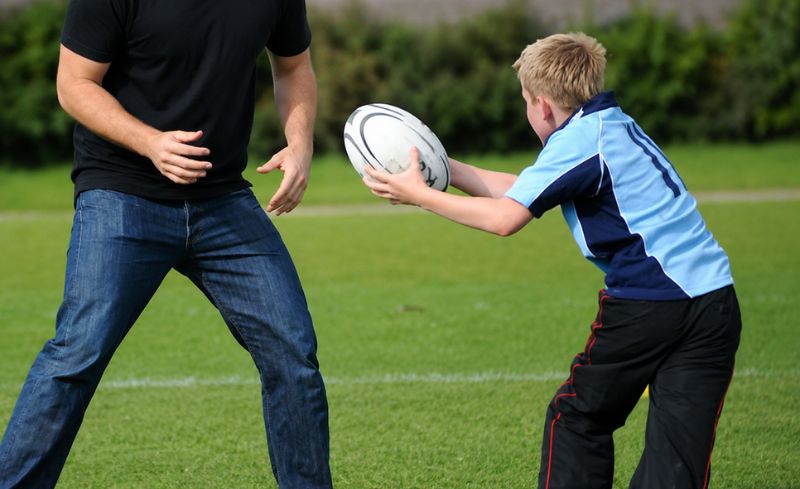
Every first session at IBIC Rugby begins the same way, with a conversation. Brad will spend a few minutes with your child asking about their experience with rugby so far, what they enjoy about the game, what they find challenging, and what they would most like to work on. This is low-key and conversational rather than an assessment or test, and it gives Brad the information he needs to shape the session in a way that is useful and appropriate from the very first drill.
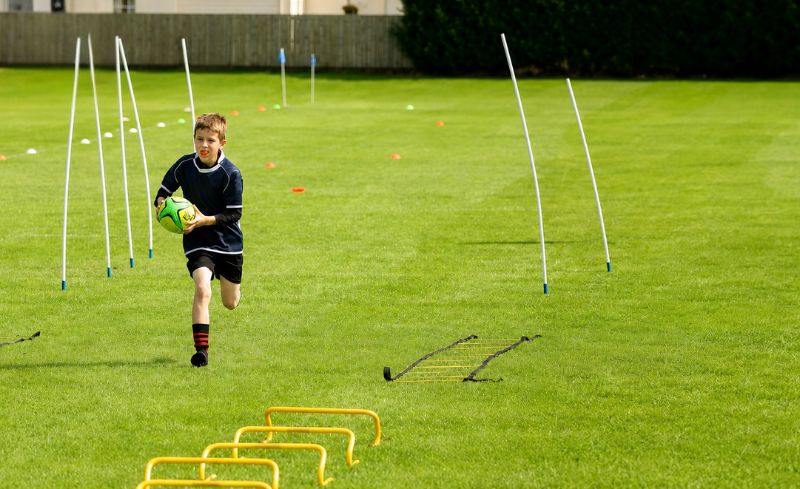
The session itself follows a clear structure every time. The warm-up involves movement, agility, and getting the body ready in a way that is active and engaging rather than routine. The skill focus forms the main body of the session, built around one or two specific skills that are matched to your child’s age, current ability, and what came out of the opening conversation.
The game application phase takes the skill your child has been working on and puts it into a more realistic context so that it begins to feel natural and connected to actual rugby rather than an isolated drill. The cool-down and feedback phase brings the session to a close, brings the heart rate down, and gives Brad the opportunity to share clearly what went well and what the focus will be next time.
What If Your Child Is Nervous
Nervousness before a first session is far more common than most parents expect, and it is completely understandable. A new environment, a new coach, and the experience of working on skills in front of someone who is watching closely and giving direct feedback is genuinely unfamiliar territory. Brad’s approach is patient and progressive, and no young player is pushed into anything before they are comfortable and ready.
Sessions are designed to give your child a win early, something they do well and feel good about, because that early positive experience builds the momentum that carries the rest of the session. Most young players who arrive at their first session feeling cautious leave feeling noticeably different, because the environment at IBIC Rugby is supportive and the coaching is completely focused on helping them succeed rather than exposing what they do not know yet.
A Note for Parents on the Sideline
Parents are welcome to watch sessions, and many do, especially at the start. There are a few things worth knowing before you take up a spot on the sideline. Your child may perform differently with you watching than they do when you are not there. This is normal and typically settles after a session or two as your child becomes more familiar with the coaching environment and more confident in their own ability within it.
Trust the structure of the session even if it looks like Brad is going back to basics on something your child already knows how to do. This is almost always deliberate. Foundations need to be solid before complexity is added, and revisiting a fundamental skill with better technique and more conscious understanding is always a productive use of session time. If you have questions about what you observed during the session, Brad is always available to chat briefly at the end and give you a clear picture of what was worked on and why.
After the First Session
At the end of your child’s first session, Brad will give you a brief summary of what was covered, what stood out positively, and a recommendation about next steps. This might be a suggestion about session frequency, a recommendation about which format would suit your child best going forward, or a specific focus area that the next session will build on. You will leave with a clear picture of where your child is right now and a practical sense of where the coaching is heading.
Many parents book their next session at the end of the first one because the structure and direction of the coaching is clear from that very first interaction. Whether you decide to book regularly or want to try a few sessions and reassess, there is no pressure and no contract. The goal is simply to give your young player the best possible start to their development at False Bay Rugby Club in Constantia.
Book your child’s first session at IBIC Rugby, False Bay Rugby Club, Constantia. We look forward to meeting them.