The Southern Suburbs of Cape Town have a strong relationship with rugby. Through the school system, through club networks, and through families who have shared a love of the game across generations, rugby is a meaningful part of life in this part of the city. From school fields in Newlands and Bishopscourt to club grounds across Constantia, Tokai, and Wynberg, young players here grow up in an environment that takes the game seriously. As private junior rugby coaching becomes more widely available across the Southern Suburbs, parents have more options than before and more decisions to make. Understanding what to look for and what questions to ask makes a genuine difference to the quality of coaching your child receives and the rate at which they develop.
What Good Junior Rugby Coaching Looks Like
Not all junior rugby coaching delivers the same outcomes, and the differences at this level matter more than most parents realise. The habits, techniques, and attitudes that young players develop between the ages of 6 and 13 stay with them through their entire playing career.
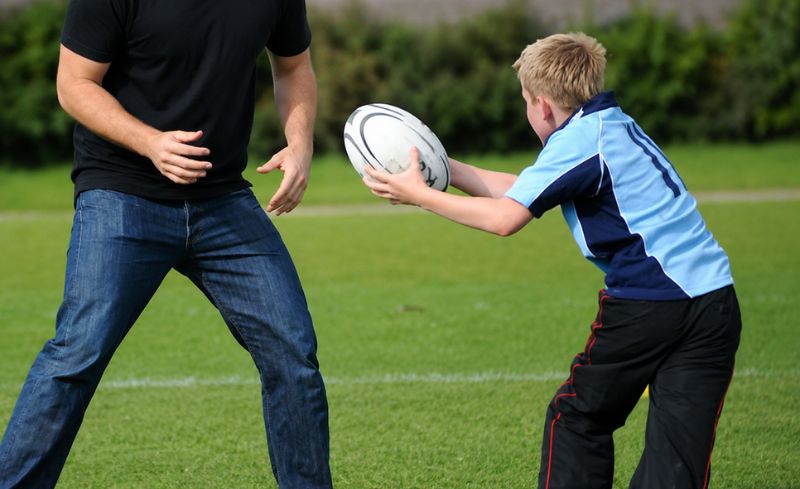
The first quality to evaluate in any junior coaching arrangement is the ratio of coach to player, because this single factor determines more than almost anything else how much individual attention each young player actually receives. In a group of 20 or more players with one coach, the amount of personalised feedback any individual player gets is limited. A hesitant player can move through an entire season of squad training without their specific technical issues being properly addressed. Small group and one-on-one coaching removes this limitation entirely, because every minute of every session is directed at the specific young players in front of the coach, with real-time adjustments based on what is actually happening.
The second quality worth evaluating is whether the coaching is genuinely age-appropriate. The developmental gap between a 6-year-old and a 13-year-old is substantial, covering physical development, cognitive capacity, coordination, and emotional readiness. A coach who applies the same methodology across this entire age range either does not understand junior development or does not have the capacity to differentiate their approach.
Quality junior coaches think carefully about what each age group is capable of and motivated by, and they design sessions that meet players where they are. The third quality, and this is non-negotiable, is safety qualifications. BokSmart certification is the national standard for rugby coaches working with young players in South Africa, and it should be a baseline requirement for any private coaching arrangement.
Why False Bay Rugby Club in Constantia Works
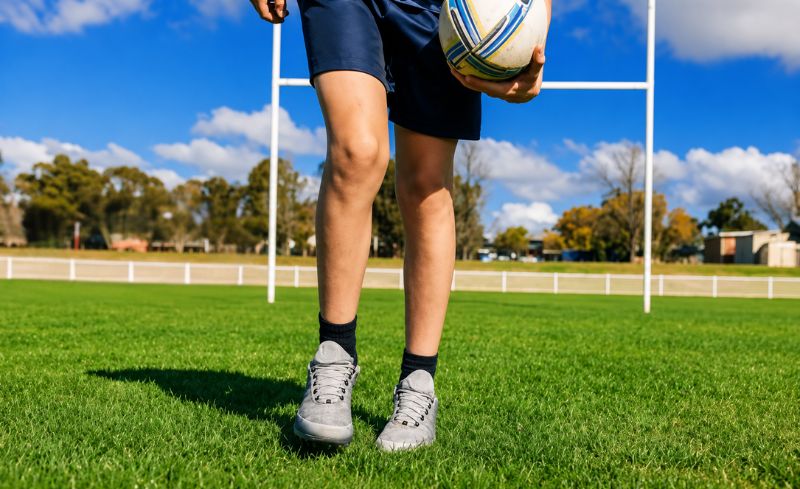
The environment where your child trains matters more than is often acknowledged. False Bay Rugby Club in Constantia is a proper rugby facility with quality fields and an established club culture. Training in that kind of environment communicates something to young players about the seriousness and value of what they are doing.
The club sits in a central position within the Southern Suburbs, making it accessible without a significant journey from Constantia, Tokai, Bishopscourt, Newlands, Wynberg, Bergvliet, and the broader surrounding area. The atmosphere of a proper rugby club, the sense of tradition and shared identity, and the way the environment signals that the game is taken seriously all contribute to how young players engage with their training and how motivated they remain over time.
School Rugby and Private Coaching Together
School and club rugby gives your child team experience, match minutes, and the social dimension of the game. Private coaching gives them individual attention, specific skill development, and the confidence to perform what they have worked on within the team environment. The two work together rather than against each other.
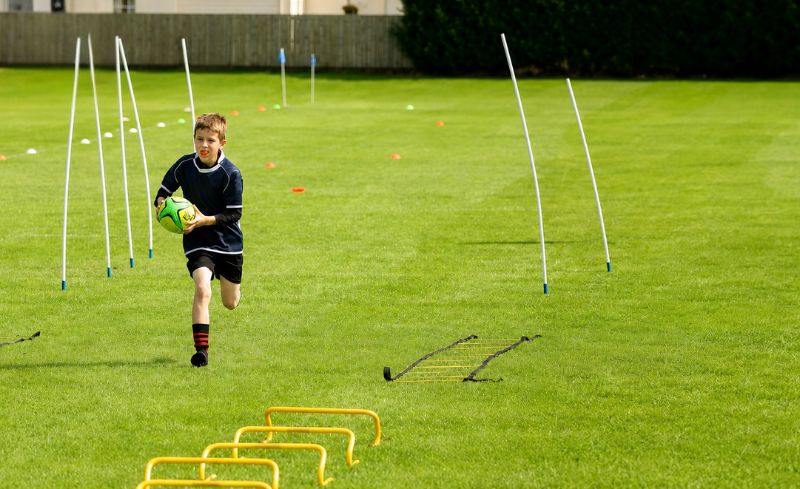
Many young players across the Southern Suburbs who train with IBIC Rugby use their private sessions to work on something specific, a skill they want to sharpen or an area of their game they want to feel more certain about, and then take that directly into their next club session or school match. The progress compounds over time because every environment your child is in reinforces what they are learning in the other. Parents across Constantia, Tokai, Newlands, Bishopscourt, and Wynberg consistently find that adding two or three private sessions per month alongside regular club and school rugby creates a meaningful and visible difference in how their young player performs and how they feel about their own game.
Getting Started With IBIC Rugby
IBIC Rugby offers one-on-one, pairs, small group, and group sessions at False Bay Rugby Club in Constantia, open to young players aged 6 to 13. Every session is run by Brad, a BokSmart-certified coach who has played rugby at professional level in South Africa and the United Kingdom.
Sessions are available on weekday afternoons and weekends, booking is straightforward, and there are no long-term contracts. You choose the format and the frequency that works for your family, and the coaching is structured entirely around your child from the first session. If you are unsure which format is right for your child, Brad is always happy to have a brief conversation before you book so that the first session is set up to be as productive as possible.
Book your child’s first session at IBIC Rugby, False Bay Rugby Club, Constantia.